


Katanas & Samurai
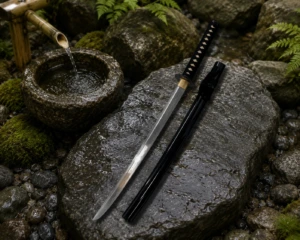
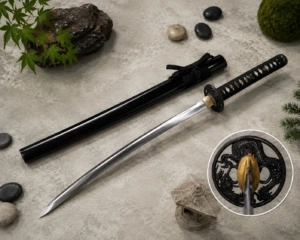
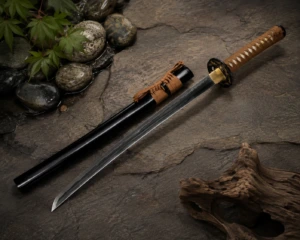
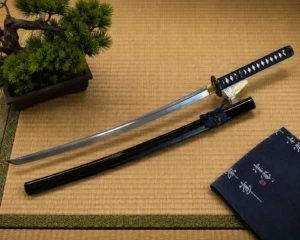
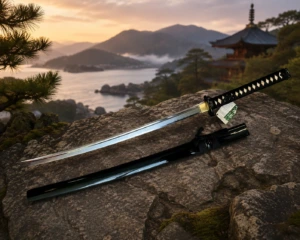
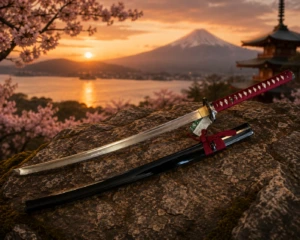
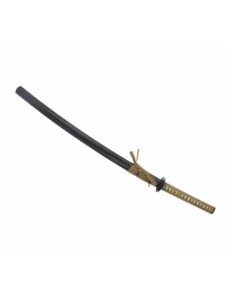
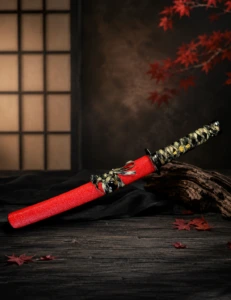
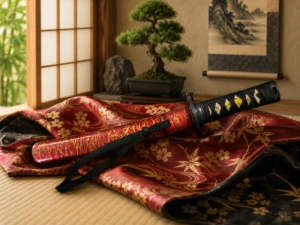
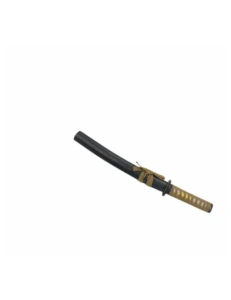
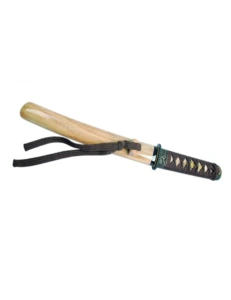

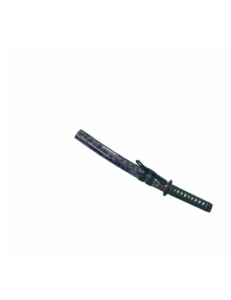
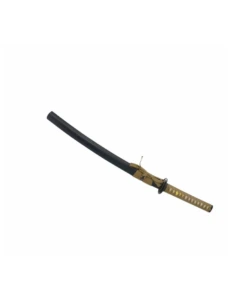
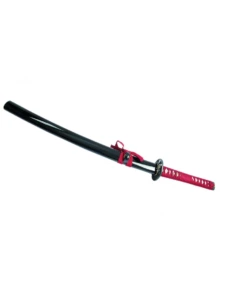
Japanese katanas: steel, forging and tradition
In this collection you will find Japanese katanas and their traditional companions, the wakizashi and the tantō: the three blades that accompanied the samurai. Each product page states the steel and the forging method, so you know exactly what you are holding.
- Maru: a blade made from a single piece of carbon steel (1045, 1060, 1095…). Tough and simple, ideal for beginners or for practice.
- Kobuse, Shihozume and Soshu Kitae: several layers of steel of different hardness, as in antique swords, for those looking for something more.
- Damascus steel: folded layers that draw visible grain patterns on the blade after polishing.
- Shirasaya and iaitō: the sword in its plain wooden scabbard, and the unsharpened katana for iaidō training.
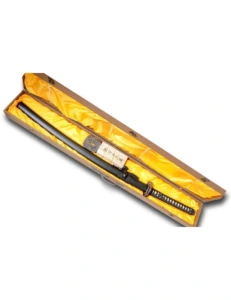
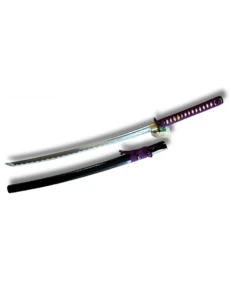
Look at the hamon, the temper line that separates the hard edge from the flexible spine, and at the mounting: tsuba (guard), tsuka (handle) and saya (scabbard). Many come with a wooden box and a maintenance kit.
Want to know more before you choose? In the History tab we explain how a Japanese sword is forged, how the hamon is born and what bushidō means.
Heroes World – Made in Asia 2026
17 – 18 October 2026 Brussels Expo, Bruselas
More information ↗
Heroes World integrates Made in Asia, Heroes Comic Con, and GameForce into a major pop culture festival. The Made in Asia area focuses on manga, anime, video games, and Asian culture, featuring guests, cosplay, workshops, and themed experiences. The event is included in the Belgium agenda because it offers a way into Japanese culture from a perspective that combines tradition, martial arts, aesthetics and contemporary culture. For visitors, it is also a chance to discover how samurai imagery remains present in Europe and how these cultural expressions relate to collecting and specialist leisure.
Image: Wikimedia Commons – Katana.png — BeautifulStrongWomen22 — CC0 1.0
Japan Mangalaxy Orléans 2026
7 – 8 November 2026 CO'Met, Orléans
More information ↗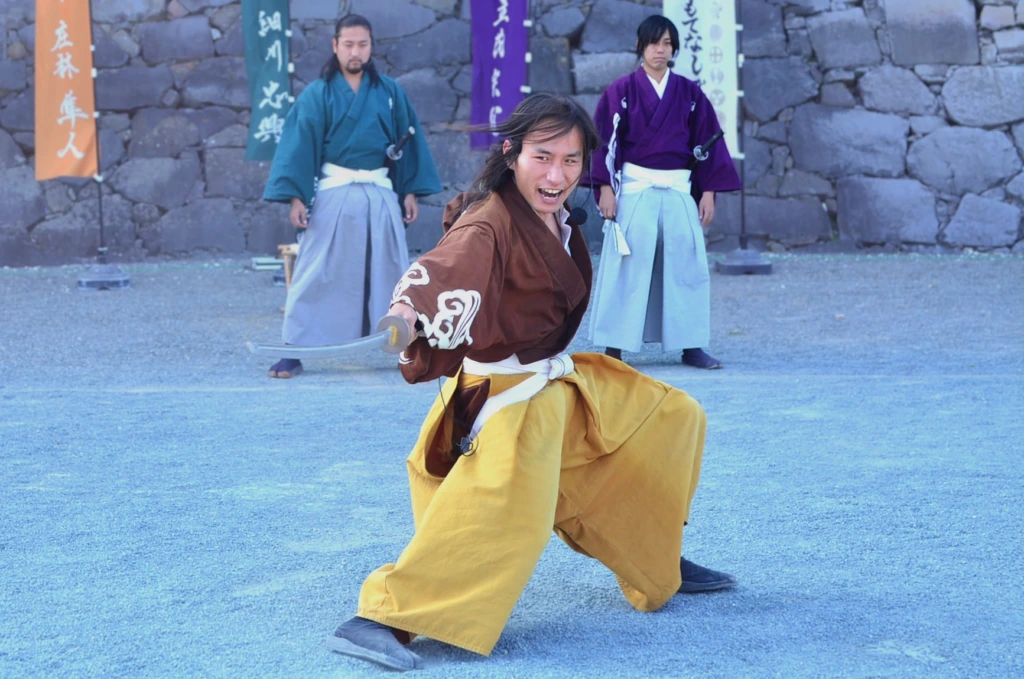
Japan Mangalaxy arrives in Orléans with a weekend dedicated to manga, anime, cosplay, video games, and Japanese culture. This type of event offers an opportunity to explore Japan's influence on contemporary popular culture and brings together a community particularly interested in its characters, stories, and traditions. Although its content is broad, Japanese themes form the core of the event, making it a suitable addition to a broader Japanese culture calendar alongside other events more specialised in martial arts or samurai heritage. The event is included in the France agenda because it offers a way into Japanese culture from a perspective that combines tradition, martial arts, aesthetics and contemporary culture. For visitors, it is also a chance to discover how samurai imagery remains present in Europe and how these cultural expressions relate to collecting and specialist leisure.
Image: Wikimedia Commons – Japanese Martial Art.jpg — Ardour art — CC BY-SA 4.0
Art to Play Nantes 2026
14 – 15 November 2026 Parc des Expositions de la Beaujoire, Nantes
More information ↗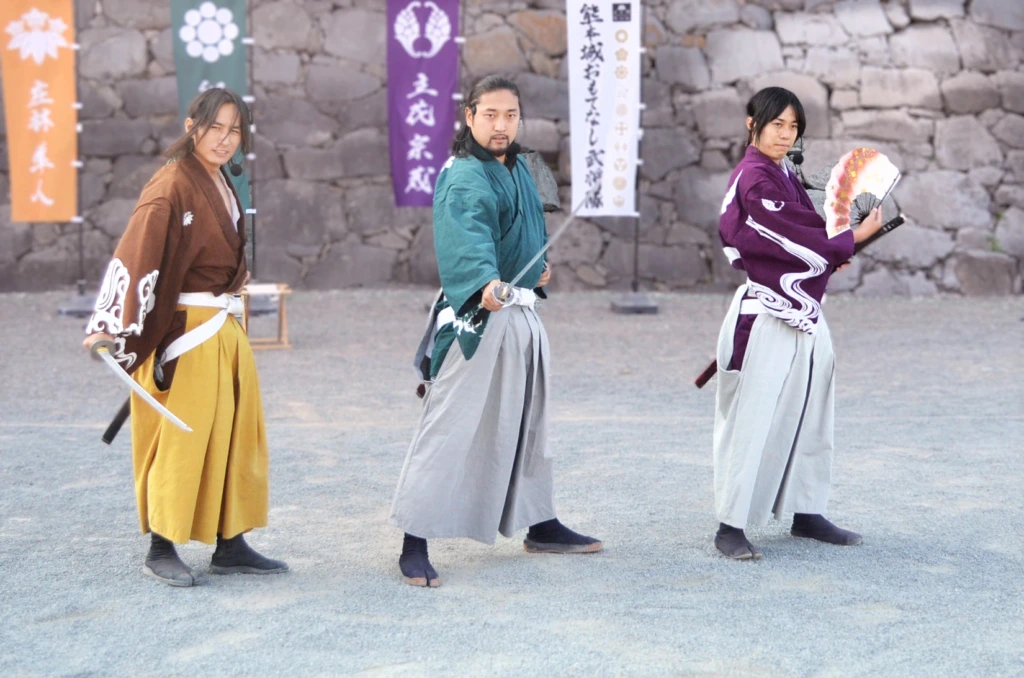
Art to Play brings together fans of manga, anime, video games, cosplay, and geek culture in Nantes. The event features a variety of activities, guests, performances, and presentations related to Japanese culture and its contemporary expressions. Its relevance to this agenda lies particularly in the connection between traditional Japan and the enormous impact its imagery has on current popular culture. It's an ideal event for manga and anime fans who also want to discover other facets of Japanese culture. The event is included in the France agenda because it offers a way into Japanese culture from a perspective that combines tradition, martial arts, aesthetics and contemporary culture. For visitors, it is also a chance to discover how samurai imagery remains present in Europe and how these cultural expressions relate to collecting and specialist leisure.
Image: Wikimedia Commons – Japanese Martial Artists.jpg — Ardour art — CC BY-SA 4.0
Japanmarkt Lübeck 2026
14 – 15 November 2026 JUNIPER, Lübeck
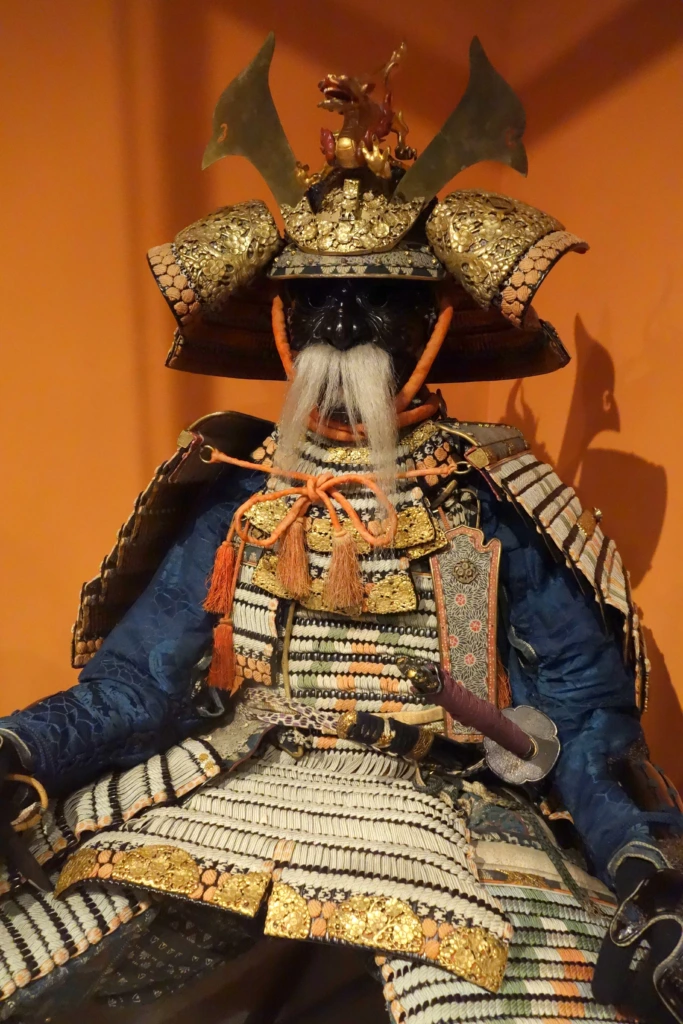
Japanmarkt Lübeck combines a market, gastronomy, workshops, and cultural activities related to Japan. The programme also includes samurai martial arts demonstrations, which particularly enhances its appeal for a section dedicated to traditional Japanese culture. The event is included in the Germany agenda because it offers a way into Japanese culture from a perspective that combines tradition, martial arts, aesthetics and contemporary culture. For visitors, it is also a chance to discover how samurai imagery remains present in Europe and how these cultural expressions relate to collecting and specialist leisure.
Image: Wikimedia Commons – Samurai armor with Matsumae family crest, Japan, view 2 - Glenbow Museum - DSC00599.JPG — Autor no identificado en la ficha — CC BY-SA 4.0
Japan Weekend Valencia 2026
21 – 22 November 2026 Feria Valencia, Valencia
More information ↗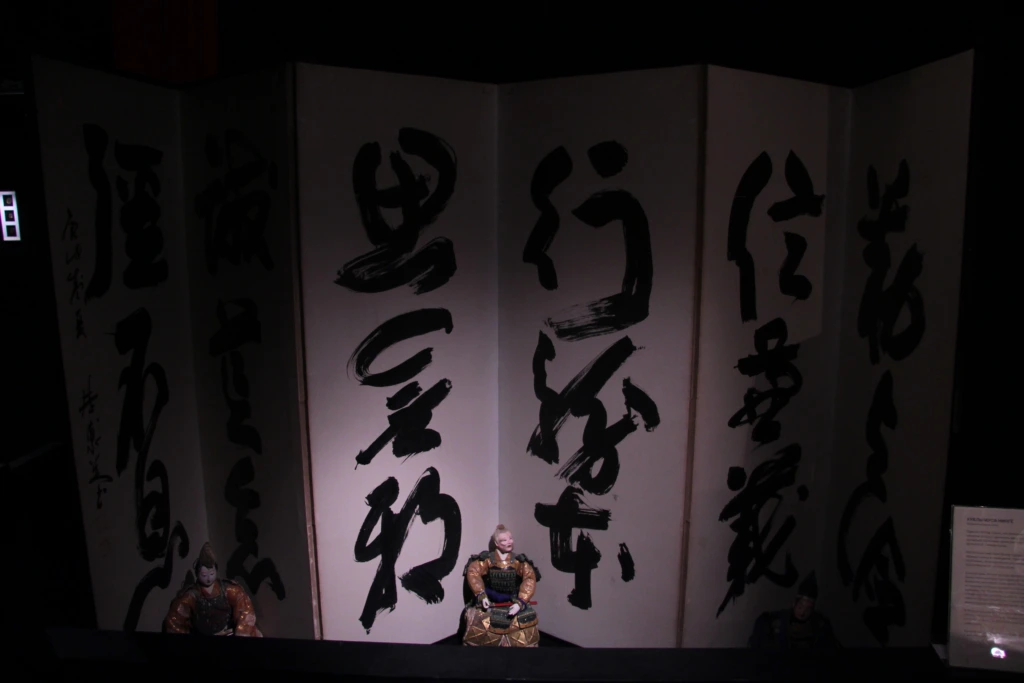
Valencia will host another edition of Japan Weekend, one of the most popular Japanese culture and Asian entertainment events in Spain. Manga, anime, cosplay, video games, and a variety of other activities offer a chance to discover the diversity of Japanese culture and experience the fascination Japan inspires both within and beyond its samurai traditions. The event is included in the Spain agenda because it offers a way into Japanese culture from a perspective that combines tradition, martial arts, aesthetics and contemporary culture. For visitors, it is also a chance to discover how samurai imagery remains present in Europe and how these cultural expressions relate to collecting and specialist leisure.
Image: Wikimedia Commons – "Samurai Art of War" exibition (Выставка "Самураи Art of War") (5911461657).jpg — Mikhail (Vokabre) Shcherbakov — CC BY-SA 2.0